
This step-by-step guide outlines a simple and efficient method for steaming mixed vegetables in a microwave oven, offering a healthy cooking option that retains essential nutrients. It includes clear instructions on preparing the vegetables, selecting the right container, and adjusting cooking times to achieve perfectly steamed results, making it easy to incorporate nutritious veggies into your meals.


Gather Your Ingredients and Tools
Gather all the mixed vegetables you wish to steam. Choose a colorful variety, such as carrots, broccoli, and bell peppers, to enhance both the flavor and nutritional value of your dish. Rinse the vegetables under cold water to remove any dirt or debris, and chop them into uniform pieces to ensure even cooking. Measure out the quantity according to your serving needs—generally, around two cups of mixed vegetables works well for most recipes.
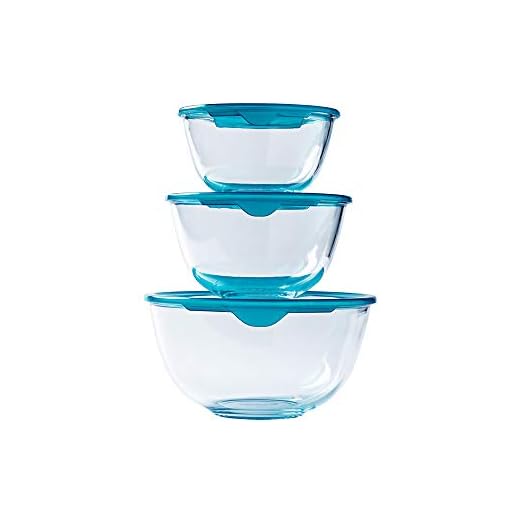
Prepare a microwave-safe bowl by ensuring it is clean and dry. Add the chopped vegetables to the bowl, and pour a small amount of water—about one to two tablespoons—into the bottom of the bowl. This water will create the steam necessary for cooking the vegetables. Cover the bowl with a microwave-safe lid or a microwave-safe plate to trap the steam during cooking. Make sure the cover fits securely but allows for some steam to escape, preventing any buildup that could cause the cover to pop off.

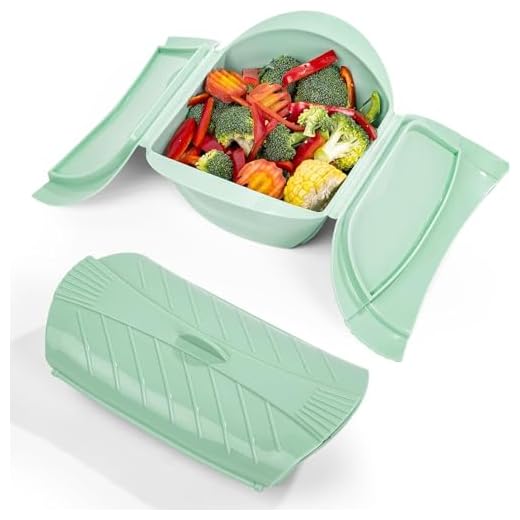
Prepare the Vegetables
- Wash the mixed vegetables thoroughly under running water. This step is crucial for removing any dirt, pesticides, or residues that may be present on the surface. Ensure that all areas of the vegetables are rinsed well, especially those with crevices or uneven surfaces.
- Cut the vegetables into uniform sizes. Aim for pieces that are roughly the same thickness to guarantee even cooking. This will help prevent some pieces from becoming overcooked while others remain undercooked.
- Place the chopped vegetables in a microwave-safe bowl. Make sure the bowl is appropriate for microwave use; glass or ceramic bowls are great choices. Spread the vegetables evenly in the bowl to allow for consistent heating during the cooking process.
Add Water
- Pour a small amount of water, approximately 2-3 tablespoons, into the bowl containing the vegetables. This moisture is crucial as it will generate steam when heated in the microwave.
- Ensure that the water is evenly distributed among the vegetables. This will help promote uniform cooking and prevent any parts from becoming overly dry.
- Place the bowl in the microwave with a microwave-safe cover or a microwave-safe plate on top. This will trap the steam inside, allowing the vegetables to cook more efficiently and retain their nutrients.
- Set the microwave to cook for a few minutes, checking periodically to ensure the vegetables are cooking evenly. Adding water creates a steaming effect, which helps the vegetables become tender while preserving their natural flavors.
Cover the Bowl
Cover the bowl with a microwave-safe lid or plate. Ensure that the lid fits snugly to create an airtight seal, which is essential for trapping steam during the cooking process. This steam is crucial as it helps cook the vegetables evenly and prevents them from drying out, ensuring they remain tender and flavorful.
Adjust the lid slightly if necessary to allow a small amount of steam to escape, which helps prevent any potential overflow. This method not only enhances the cooking efficiency but also preserves the nutrients and vibrant colors of the vegetables, making your meal both healthy and visually appealing.
Microwave the Vegetables
- Place the covered bowl with the vegetables in the microwave. Ensure the bowl is microwave-safe and the cover is vented to allow steam to escape.
- Cook on high for about 3-5 minutes. Adjust the cooking time based on the quantity and type of vegetables you are using, as denser vegetables may require a longer cooking time.
- Check for doneness halfway through the cooking time by carefully removing the bowl and lifting the cover slightly to avoid steam burns. Stir the vegetables if necessary to promote even cooking.
- Continue microwaving if the vegetables are not tender enough. Add additional time in 30-second increments until they reach your desired level of doneness.
Let It Sit and Serve
After microwaving, let the bowl sit for 1-2 minutes. This resting period allows the heat to distribute evenly throughout the vegetables, ensuring they are warmed properly.
Carefully remove the lid when the time is up, but keep in mind that steam will escape. Use caution to avoid burns.
- Stir the vegetables gently to mix in any seasoning or sauces that may have settled.
- Season the dish as desired; consider adding salt, pepper, or a drizzle of olive oil for extra flavor.
- Serve the vegetables hot, enjoying them as a nutritious side or a main dish.
Quick Tips for Perfect Results
In conclusion, steaming mixed vegetables in the microwave is a quick and hassle-free way to prepare a healthy side dish. By using the right technique and timing, you can achieve perfectly tender and vibrant vegetables that retain their nutrients and flavor. Incorporating this method into your cooking routine will not only save you time but also elevate your meals effortlessly. Enjoy the benefits of delicious, steamed veggies with minimal effort!
Essential Supplies Needed

Steaming Made Easy
Step-by-Step Guide to Perfectly Steamed Vegetables in Your Microwave
- Choose Your Vegetables: Select fresh vegetables such as broccoli, carrots, or green beans. Wash them thoroughly and cut them into uniform pieces for even cooking
- Prepare the Microwave-Safe Container: Place the chopped vegetables in a microwave-safe bowl or dish. Add a couple of tablespoons of water to create steam
- Cover the Bowl: Use a microwave-safe lid or cover the bowl with microwave-safe plastic wrap, leaving a small vent for steam to escape. This helps retain moisture while cooking
- Microwave Settings: Set the microwave on high power and cook the vegetables for 3-5 minutes, depending on the type and quantity of vegetables. Start with the lower time and add more if needed
- Check for Doneness: Carefully remove the container (it may be hot) and check if the vegetables are tender. If they need more cooking, cover and microwave in additional 1-minute intervals until done. Enjoy your steamed vegetables!





Thanks for the tip! Adding flavor before steaming is a great idea. Lemon juice especially brings out the freshness of the veggies. Enjoy your cooking!
I wonder if anyone else has tried steaming sweet potatoes this way? I’m thinking of giving it a shot next time instead of boiling them. Any thoughts on that?
Steaming sweet potatoes in the microwave is a fantastic idea! Just make sure to cut them into smaller pieces for even cooking. Let us know how it turns out!
This guide is super helpful! Just a tip, try adding a splash of soy sauce or lemon juice to your water before microwaving; it really boosts the flavor of the veggies. I did this with broccoli and carrots, and it was delicious!
I followed the guide, but my veggies came out a bit mushy. I used frozen veggies and microwaved them for 5 minutes like it said, but they just didn’t turn out right. Any ideas on how to fix this?
Sorry to hear that! Frozen veggies often need less time than fresh ones. Try microwaving them for 3-4 minutes instead and check for doneness. You can always add a bit more time if needed!
I have a pre-mixed bag of stir-fry veggies that I used instead of chopping my own, which saved me a ton of time! I followed all the steps but didn’t add any extra water since they were frozen. Turned out great!
Great idea! Pre-mixed bags are perfect for quick meals. Just make sure to adjust the water if you’re using fresh veggies next time. Thanks for sharing!
I used this method for meal prepping for my work week! Steamed a big batch of mixed veggies for my lunches. They held up so well in the fridge, and I just reheated them in the microwave each day. Super convenient!
That’s awesome! Meal prepping is such a smart way to save time. Glad to hear the veggies held up well. Keep up the great work!
I love this guide! Tried steaming zucchini, bell peppers, and snap peas, and they turned out perfectly crisp and vibrant. I was so impressed with how easy it was!
Thanks for sharing your success! Those veggies sound delicious together. It’s always satisfying when cooking goes well!
I used this steaming method for a quick side dish with dinner, and my family loved it! So easy and way healthier than frying. I’ll definitely be using this guide again!
That’s wonderful to hear! Steamed veggies are such a healthy choice. We’re glad your family enjoyed it. Keep cooking!