
Cooking can be a delicate balance of time and temperature, and having the right oven can make all the difference. In this roundup, we explore six of the best oven thermometers, designed to help you achieve perfect cooking results every time. Whether you’re baking, roasting, or broiling, these thermometers offer precision and convenience, ensuring that your culinary creations are consistently delicious. Read on to discover the top options available to elevate your cooking experience.
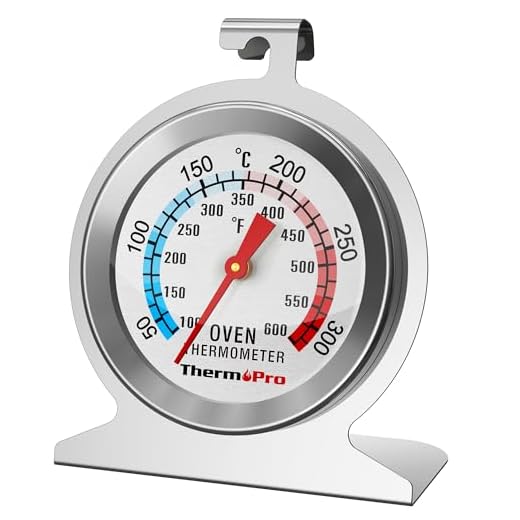


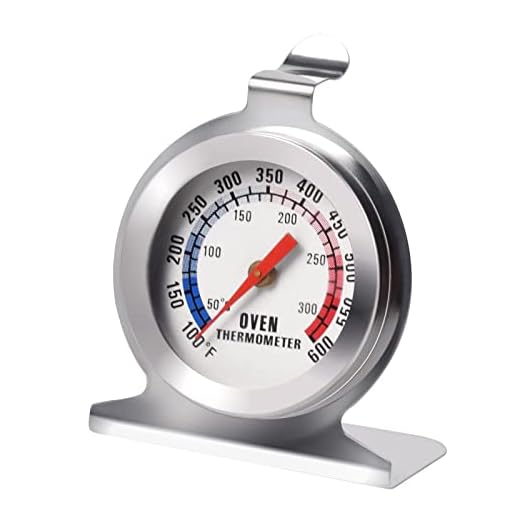

ThermoPro Stainless Steel Oven Thermometer
The ThermoPro Oven Thermometer features a clear and bold dial, making it easy to read the temperature at a glance. With its dual Fahrenheit and Celsius readings, along with distinct red and blue zones to indicate high and low temperatures, this thermometer ensures that you can monitor your oven’s performance with confidence.
Crafted from upgraded 431 stainless steel and tempered glass, this durable thermometer is designed to withstand the rigors of baking, grilling, and cooking. Users have praised its accuracy and compact size, noting that it provides reliable temperature readings, helping to confirm whether their ovens are operating correctly and evenly.

Salter Stainless Steel Oven Thermometer
The Salter 513 SSCR Oven Thermometer is an essential tool for achieving culinary perfection, featuring a wide temperature range from 50 °C to 300 °C. Its versatile design allows it to hang or stand securely in your oven, ensuring you can monitor your cooking with ease. With a bold, easy-to-read display, this thermometer helps you maintain the ideal oven temperature for flawlessly baked dishes.
Users have praised the Salter oven thermometer for its accuracy and durability, often finding it a reliable companion in the kitchen. Despite some minor concerns about its clip/hanger, many have successfully calibrated it against digital thermometers, confirming its effectiveness. Whether replacing an old gadget or enhancing your kitchen setup, this thermometer proves to be a valuable investment for any home cook.
KitchenCraft Stainless Steel Oven Thermometer
The KitchenCraft Oven Thermometer is a practical and essential tool for any kitchen, featuring a sleek stainless steel design and an easy-to-read dial with color-coded safe zones. Measuring 6.5 x 8 cm, this thermometer can be effortlessly hung or stood inside your oven, allowing for accurate temperature readings without the need for batteries or complicated settings. Users appreciate its performance, especially its reliable accuracy compared to both traditional and digital thermometers.
Despite its somewhat pliable build quality, the thermometer has impressed many with its clarity and ease of use. The large, clear markings make it simple to check temperatures without frequently opening the oven door, enhancing cooking efficiency. Whether for fan-assisted or gas ovens, the KitchenCraft Oven Thermometer offers excellent value for money, ensuring your dishes are cooked to perfection every time.
Chef Aid Stainless Steel Oven Thermometer
The Chef Aid Stainless Steel Oven Thermometer is an essential tool for achieving perfect cooking results, whether you’re roasting, baking, or grilling. Designed for versatility, this thermometer is suitable for use in various types of ovens, including fan, gas, electric, and even air fryers. Its large, clear dial features color-coded temperature scales, allowing for quick and accurate readings to ensure your dishes are always cooked to perfection.
Users appreciate the thermometer’s quality and accuracy, noting that it helps overcome the challenges of inconsistent oven temperatures. While some have found the display a bit small for easy reading, the overall functionality remains a strong selling point. The thermometer can be hung or stood inside the oven, providing flexibility, although some users have mentioned that it can be slightly unstable when adjusting it with oven gloves on.
Stainless Steel Oven Thermometer Gauge
The Stainless Steel Oven Thermometer is a versatile tool designed for use in various ovens, including gas and electric models, as well as for barbecues. Its handy design allows for easy placement, whether standing or hanging, enabling you to monitor your cooking temperatures effortlessly.
With its clear dial, this thermometer provides precise readings that match your oven’s displayed temperatures, ensuring accurate cooking every time. Users appreciate its ease of use and readability, making it a reliable accessory for both home and caravan cooking adventures.
Hotloop Digital Oven Thermometer 300°C
The Hotloop Oven Thermometer is designed for precision and convenience, featuring a durable cable that allows you to monitor temperatures from outside the oven while baking, roasting, or frying. Its clear LCD display makes it easy to read the actual temperature, helping you make quick adjustments for perfect cooking results every time.
Despite some concerns about the battery compartment’s fit, users rave about the thermometer’s swift response and accuracy. Ideal for a variety of culinary tasks, from baking pizzas to deep frying, this thermometer has quickly become a kitchen favorite, ensuring that your dishes come out just right.
Explore Similar Options


Essential Features to Consider When Selecting an Oven with a Built-in Thermometer
- Accuracy of the Thermometer: Check if the built-in thermometer provides precise temperature readings. Look for reviews or specifications that indicate its accuracy range, as this will affect your cooking results
- Temperature Range and Settings: Ensure the oven offers a wide temperature range suitable for various cooking methods. Additionally, look for features like multiple cooking modes (bake, broil, convection) that can enhance your cooking versatility
- Ease of Use and Display: Consider the user interface and display of the oven. A clear, easy-to-read digital display and intuitive controls can make it simpler to monitor and adjust temperatures during cooking
Step-by-Step Guide to Properly Utilize Your Oven Thermometer for Perfect Cooking
- Preheat the Oven: Always preheat your oven to the desired temperature before placing your food inside. Use the built-in thermometer or an external oven thermometer to ensure the oven reaches the correct temperature for even cooking
- Monitor Cooking Temperature: Keep an eye on the thermometer while your food is cooking to make sure the temperature remains consistent. If the oven temperature fluctuates, adjust the dial accordingly to maintain the ideal cooking environment
- Check Food Temperature: Use a food thermometer to check the internal temperature of your dishes, especially meats, to ensure they are cooked safely and thoroughly. Compare this with the recommended temperatures for specific foods to avoid undercooking or overcooking
Understanding Your Oven’s Thermometer Features
Using an oven thermometer effectively during baking can greatly enhance your cooking results. Here are some tips:
- Placement: Position the oven thermometer in the center of the oven, as this area typically provides the most consistent temperature. Avoid placing it too close to the walls or door, where temperatures can fluctuate.
- Preheat the Oven: Allow the oven to fully preheat before placing your food inside. Check the thermometer after the preheating time to confirm that the oven has reached the desired temperature.
- Regular Checks: Periodically check the thermometer during baking, especially for recipes that require precise temperatures. This can help you identify any fluctuations that may affect cooking times and outcomes.
- Calibrate Your Oven: If your oven thermometer shows a significant difference from the oven’s built-in temperature gauge, consider calibrating your oven or adjusting your baking temperatures accordingly.
- Use the Right Temperature: Follow the recommended baking temperatures in recipes but refer to your oven thermometer for accuracy. If your oven is consistently off, you might need to adjust the temperature settings.
- Know Your Oven: Understand that some ovens have hot spots or uneven heating. Using an oven thermometer can help you identify these areas and adjust your placement of trays or pans accordingly.
- Avoid Frequent Opening: Opening the oven door frequently can cause temperature fluctuations. Use the oven light and the thermometer to monitor without opening the door too often.
By following these tips, you can ensure more accurate baking results and improve the overall quality of your baked goods.
A thermometer improves cooking accuracy in an oven by providing precise temperature readings, which ensures that food is cooked at the optimal temperature for the desired results. Different dishes require specific cooking temperatures to achieve the right texture, flavor, and safety. Using a thermometer helps prevent undercooking or overcooking by allowing cooks to monitor the internal temperature of the food accurately. This is especially important for meats, where proper cooking temperature is crucial for food safety. Additionally, relying on a thermometer can help maintain consistent oven temperatures, leading to more reliable cooking outcomes.
Yes, certain brands and models of ovens are known for having reliable thermometers. Generally, high-end brands such as Wolf, Miele, and Viking are praised for their accuracy and consistent temperature settings. Additionally, models from Bosch and KitchenAid often receive positive reviews for their built-in thermometer performance. It’s advisable to look for ovens that provide features like digital temperature displays and calibration options, as these can contribute to more accurate temperature readings. Checking consumer reviews and professional tests can also help in identifying which specific models have the best thermometers.
When looking for a high-quality oven thermometer, consider the following features:
- Accuracy: Ensure the thermometer provides precise temperature readings. Look for models that guarantee accuracy within a certain degree range.
- Temperature Range: Choose an oven thermometer that can measure a wide temperature range, typically from at least 100°F to 600°F (or 37°C to 316°C), to accommodate various cooking methods.
- Material and Durability: Opt for thermometers made from heat-resistant materials such as stainless steel or glass, which can withstand high temperatures and are less likely to break.
- Display: A clear, easy-to-read display is essential. Some models feature large dials or digital screens for better visibility.
- Calibration: Look for a thermometer that can be easily calibrated to ensure ongoing accuracy over time.
- Mounting Options: Consider how the thermometer can be placed in the oven. Some have hooks, magnets, or stands for versatile placement.
- Response Time: A good oven thermometer should provide quick readings, allowing you to adjust your cooking temperature without significant delays.
- Design: Some thermometers have a design that allows them to be placed at different angles, making it easier to read the temperature while cooking.
- Ease of Cleaning: Look for models that are easy to clean, as spills and splatters are common in ovens.
- Warranty: A good warranty can provide peace of mind, indicating the manufacturer’s confidence in their product’s quality.
By considering these features, you can select a reliable oven thermometer that will enhance your cooking experience.


Hey, I’m curious if there are any plans to update this article in the future? I feel like new products come out all the time, and I’d love to see if there’s something new that’s been added to the market since this roundup was published!
Thanks for your interest! We’re always keeping an eye on new products and trends, so updates are definitely in the works. Stay tuned for more information in the future!
Thanks for sharing your experience! The ThermoPro is definitely a favorite among many home bakers. It’s great to hear it’s helping you avoid burnt cookies!
I love the Salter Stainless Steel Oven Thermometer! It’s so easy to read, and it looks nice in my kitchen too. But I wonder if it’s as durable as some of the others on the list. Would love to hear more about long-term durability from others!
Great to hear you love the Salter! It does have a nice design. Regarding durability, many users report it holding up well over time, but it’s always good to keep an eye on it, especially with heavy usage!
I’m not so sure about the Hotloop Digital Oven Thermometer. I’ve read some mixed reviews online. Some say it’s super accurate, while others claim it failed them after a few uses. Has anyone else had a similar experience?
I’ve been using the ThermoPro Stainless Steel Oven Thermometer for a few months now, and it’s a game changer! I used to second-guess my oven’s temperature and ended up with burnt cookies more times than I want to admit. With this thermometer, I can finally bake with confidence! Anyone else having similar experiences?