
In the hustle and bustle of everyday cooking, it’s easy to feel overwhelmed by the array of kitchen gadgets available. If you’ve ever stood in front of your counter, unsure whether to reach for the food processor vs blender, you’re not alone. These two appliances may seem similar, but they serve distinct purposes that can significantly impact your meal prep. In this post, we’ll break down when to use each tool, highlighting their unique strengths and helping you make informed decisions that will streamline your cooking experience. Let’s simplify your kitchen routine and empower you to create delicious meals with confidence!


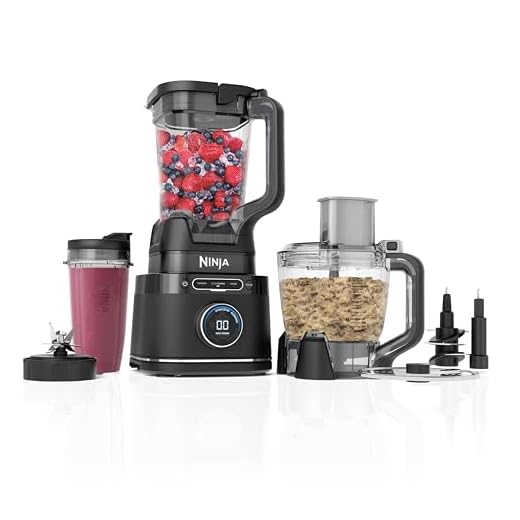
Understanding the Basics: Food Processor vs. Blender
When it comes to kitchen appliances, two versatile tools often come to mind: food processors and blenders. Both are designed to make food preparation easier, but they serve different functions and excel at particular tasks. Let’s delve into the specifics of each appliance to help you understand their unique capabilities.


What is a Food Processor?
A food processor is a multi-functional kitchen appliance designed to handle various food preparation tasks. It is particularly adept at chopping, slicing, shredding, and grating ingredients. With a food processor, you can drastically reduce the time it takes to prepare meals.
Primary Functions of a Food Processor
- Chopping: Quickly dice vegetables, nuts, or herbs.
- Slicing: Effortlessly slice through firm fruits and vegetables like cucumbers or potatoes.
- Shredding/Grating: Easily shred cheese or grate carrots for salads.
- Mixing: Combine ingredients for doughs or batters.
Key Components of a Food Processor
- Blades: Food processors typically come with multiple blades, including a stainless steel chopping blade, slicing discs, and grating attachments. For example, the Cuisinart DFP-14BCNY features an adjustable slicing disc for various thicknesses.
- Container: Food processors have large, bowl-like containers that can hold significant quantities of food. The Breville BFP800XL has a 16-cup capacity, making it suitable for large meal prep.
- Motor Power: Most food processors have powerful motors, usually ranging from 600 to 1200 watts, which are capable of handling tough tasks. For instance, the Hamilton Beach 70730 offers a robust 450-watt motor.
Practical Example
If you’re preparing a large batch of salsa, a food processor like the KitchenAid KFP1466CU can chop tomatoes, onions, and cilantro in seconds, saving you time and effort compared to chopping by hand.
What is a Blender?
Blenders are designed primarily for mixing and puréeing liquids. They are perfect for smoothies, soups, sauces, and even some types of batters. A good blender can create a smooth consistency that is hard to achieve with other kitchen tools.
Primary Functions of a Blender
- Puréeing: Turn fruits and vegetables into smooth purées for soups or baby food.
- Mixing: Blend ingredients together for smoothies, shakes, or salad dressings.
- Crushing Ice: A powerful blender can crush ice and blend frozen fruits, which is essential for making cold beverages.
Key Components of a Blender
- Blades: Blenders typically have sharp, high-speed blades designed to blend and purée. The Ninja Professional BL610 features a set of stainless steel blades that are powerful enough to crush ice and frozen fruits.
- Container: Most blenders come with a tall pitcher designed to handle liquids, with varying capacities ranging from 32 ounces to 64 ounces. The Vitamix 5200 offers a 64-ounce container, perfect for family-sized portions.
- Motor Power: Blenders can range from 300 to over 1500 watts. The Blendtec Designer 725 boasts a powerful 1560-watt motor, allowing it to blend even the toughest ingredients smoothly.
Practical Example
For a morning smoothie, a high-performance blender like the Ninja BN701 can easily blend spinach, bananas, and almond milk into a creamy drink in just a minute, providing a healthy and quick breakfast option.
Food Processor vs. Blender: A Quick Comparison
| Feature | Food Processor | Blender |
|---|---|---|
| Primary Use | Chopping, slicing, grating, mixing | Puréeing, mixing liquids |
| Container Type | Bowl-like containers | Tall pitchers |
| Motor Power | 600 – 1200 watts | 300 – 1500+ watts |
| Best For | Prepping solid foods | Making smoothies and soups |
| Example Models | Cuisinart DFP-14BCNY, KitchenAid KFP1466CU | Vitamix 5200, Ninja Professional BL610 |
By understanding these distinctions, you can better decide which appliance suits your cooking style and needs. Whether you need to chop vegetables for a stir-fry or blend up a refreshing smoothie, knowing the capabilities of a food processor versus a blender will help streamline your kitchen tasks.
When to Use a Food Processor
Food processors are a versatile kitchen appliance that can save you time and effort with numerous culinary tasks. Whether you’re a novice cook or a seasoned chef, knowing when to utilize a food processor can enhance your cooking experience and lead to better results. Below, we will delve into specific tasks that are best suited for food processors, highlighting their advantages and offering tips for optimal use.


Chopping Vegetables
One of the most common uses for a food processor is chopping vegetables. This task can be incredibly time-consuming if done by hand, particularly when preparing ingredients for soups, stews, or salads.
Advantages:
- Speed: A food processor can chop vegetables in seconds, saving you valuable prep time.
- Uniformity: The ability to customize the chop size ensures that all pieces cook evenly.
Recommended Models:
- Cuisinart DFP-14BCNY 14-Cup Food Processor: This model features a powerful motor and a large capacity bowl, ideal for chopping large quantities of vegetables quickly.
- Breville BFP800XL Sous Chef 16 Pro Food Processor: With multiple slicing discs and a wide feed chute, this processor allows for precise chopping and minimal prep time.
Making Dough
Kneading dough can be labor-intensive, but a food processor simplifies the task remarkably.
Advantages:
- Efficiency: The dough blade or standard blade can mix and knead quickly, reducing the time spent on this task.
- Less Mess: Unlike traditional methods that can splatter flour everywhere, a food processor contains the mess within the bowl.
Recommended Models:
- KitchenAid KFP1466ER 14-Cup Food Processor: Known for its excellent dough capabilities, this model’s powerful motor can handle heavy dough mixtures effortlessly.
- Hamilton Beach 70730 10-Cup Food Processor: A budget-friendly option that still offers solid dough mixing performance.
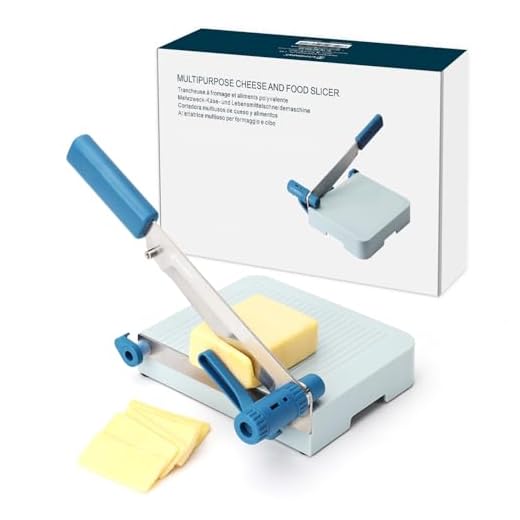
Slicing Cheese
Slicing cheese by hand can be a tedious process, especially if you’re preparing a cheese platter or adding cheese to a recipe.
Advantages:
- Consistency: A food processor can slice cheese uniformly, ensuring that every piece is the same thickness.
- Speed: Quickly slice large blocks of cheese in a matter of seconds.
Recommended Models:
- Ninja BN701 Professional Plus Bender with Auto-iQ: This machine can slice hard cheeses efficiently, thanks to its robust blades.
- Oster FPSTFP1355 2-in-1 Food Processor: This affordable model provides great slicing capabilities which are perfect for cheese.
Preparing Nut Butters
Making nut butters at home allows you to control the ingredients, but the process can be labor-intensive. A food processor makes it much easier.
Advantages:
- Customization: You can create nut butters tailored to your taste by adjusting the ingredients.
- Creaminess: A food processor can achieve a smooth consistency, blending nuts into creamy butters.
Recommended Models:
- Vitamix 5200 Blender: Although primarily a blender, it can also make nut butters with its powerful performance.
- Cuisinart DFP-14BCNY: This food processor also excels in making various nut butters, thanks to its strong motor and durable blades.
Tips for Proper Use
To achieve the best results with your food processor, consider the following tips:
- Avoid Overloading: Do not fill the bowl beyond its maximum capacity. For larger quantities, process in batches.
- Use the Right Blade: Ensure you are using the appropriate blade for the task at hand. Most food processors come with specialized blades for various functions.
- Pulse for Control: When chopping or slicing, use the pulse function to maintain control over the texture of your ingredients.
- Scrape Down the Sides: Stop occasionally to scrape down the sides of the bowl during processing to ensure even mixing.
By understanding these specific tasks best suited for a food processor and the advantages they offer, you can maximize the utility of this incredible kitchen tool. Whether you are preparing a meal for your family or whipping up snacks for a gathering, a food processor can streamline your culinary process and enhance your overall cooking experience.
When to Use a Blender
Blenders are versatile kitchen appliances that can transform a variety of ingredients into silky-smooth concoctions. Understanding when to use a blender can elevate your culinary creations, allowing you to enjoy wholesome smoothies, creamy soups, rich sauces, and perfectly emulsified dressings. Below, we’ll explore specific scenarios where a blender shines and provide practical tips for getting the best results.
Making Smoothies
Blenders are the gold standard for whipping up delicious and nutritious smoothies. Whether you prefer a protein-packed green smoothie or a fruity delight, a powerful blender can handle it all.
Recommended Blender Models:
- Vitamix 5200: Known for its durability and power, this model can blend even the toughest ingredients, making it a favorite among smoothie enthusiasts.
- Ninja BN701 Professional: This budget-friendly option offers impressive ice-crushing capabilities, perfect for frozen fruit smoothies.
Tips for Smoothie Success:
- Liquid Ratios: Start with a base of liquid (water, almond milk, or coconut water) and then add your fruits and vegetables. A good rule of thumb is to use one cup of liquid for every two cups of solid ingredients.
- Layering Ingredients: Place softer ingredients on top of harder ones to ensure even blending.
Creating Soups
Blenders are ideal for making smooth, creamy soups. You can easily blend cooked vegetables and broth into a velvety texture without the need for a separate immersion blender.
Recommended Blender Models:
- Breville BSB510XL Control Grip: This immersion blender allows you to blend soups directly in the pot, minimizing cleanup time.
- KitchenAid KSB1575ER: A classic countertop blender that can handle hot soups with ease.
Tips for Soup Blending:
- Temperature Caution: When blending hot liquids, allow the soup to cool slightly. If using a countertop blender, fill it only halfway and cover the lid with a towel to prevent the lid from popping off due to steam.
- Seasoning After Blending: Taste and adjust seasonings after blending for the best flavor.
Crafting Sauces
Whether you’re making pesto, marinara, or a creamy alfredo, a blender simplifies sauce preparation.
Recommended Blender Models:
- NutriBullet Pro 900: Compact but powerful, this blender is perfect for whipping up smaller batches of sauces.
- Oster Pro 1200: This model comes with a food processor attachment, making it versatile for both blending and chopping.
Tips for Sauce Perfection:
- Balance Ingredients: For sauces, use a combination of liquids (like olive oil or vinegar) and solids (like herbs, nuts, or tomatoes) to achieve the right consistency.
- Pulse Function: Use the pulse function for chunky sauces to maintain some texture.
Emulsifications: Salad Dressings and More
Blenders excel at emulsifying ingredients, making them ideal for creating salad dressings and mayonnaise.
Recommended Blender Models:
- Cuisinart CPB-300: This compact personal blender is perfect for making small batches of dressings.
- Hamilton Beach 54220: A budget-friendly option with a powerful motor for effective emulsification.
Tips for Emulsification:
- Start Slow: Begin blending at a low speed to combine ingredients before increasing the speed to emulsify.
- Add Oil Gradually: When making mayonnaise or dressings, add oil slowly while blending to create a stable emulsion.
Understanding the Blending Process
The blending process involves several key elements that contribute to achieving a smooth consistency:
- Blade Design: High-quality blades, like those found in a Vitamix or Ninja, create a vortex that pulls ingredients down toward the blades, ensuring an even blend.
- Container Shape: Blenders with a wider base, such as the Breville BSB510XL, facilitate better ingredient circulation.
- Motor Power: Models with higher wattage, like the Oster Pro 1200, can handle tougher ingredients, such as ice or fibrous vegetables.
Important Tips for Using a Blender Effectively
To maximize your blending experience, consider the following tips:
- Cut Ingredients into Smaller Pieces: This ensures even blending and reduces the strain on your blender.
- Avoid Overfilling: Always leave some space at the top of the container to allow for expansion and prevent spills.
- Clean Immediately: After use, fill the blender with warm soapy water and blend for a few seconds for easy cleaning.
By understanding when to use a blender and how to utilize it effectively, you can enhance your cooking skills and enjoy a wide range of delicious recipes. Whether you’re making a smoothie for breakfast or a comforting soup for dinner, a blender is an invaluable tool in any kitchen.
Key Takeaways for Perfecting Your Culinary Tools
In conclusion, knowing when to utilize a food processor versus a blender can significantly elevate your cooking experience. Each appliance serves distinct purposes, from chopping and slicing to blending and pureeing. By aligning your choice with your culinary tasks, you can maximize efficiency and achieve better results in the kitchen. Embrace these tools to enhance your cooking repertoire and simplify meal preparation.




Is anyone else puzzled about why some recipes say to use a blender for soups while others say food processor? Seems like it could go either way depending on the consistency you want.
It’s definitely a debated topic! Blenders are great for super smooth soups, while food processors can give a chunkier texture. It really depends on your personal preference!
I’d love to see an article on the best food processors and blenders under $100! Sometimes you don’t need the fancy stuff to get good results.
That’s a fantastic idea! I’ll definitely consider writing a comparison of budget-friendly options. Stay tuned!
Thanks for sharing your experience! The Ninja is a great choice for smoothies, and Cuisinart does a fantastic job with chopping. If you’re into salsa, try adding roasted tomatoes for an extra kick!
Pro tip: if you’re making hummus, definitely use a food processor. It gives it that creamy texture that a blender just can’t match. I’ve learned that the hard way! 😂
Great tip! Food processors really excel at creating that smooth, creamy consistency. Glad you found what works best for you!
I totally love my Ninja Blender for smoothies, but I always pull out my Cuisinart Food Processor when I’m making salsa or chopping veggies for a stir-fry. Such a time saver! Anyone else have a favorite recipe for their food processor?
When it comes to making nut butter, food processors are the real MVP! Blenders just can’t handle that thick consistency. Anyone else tried making their own nut butter?
Absolutely! Homemade nut butter is so much better than store-bought. Plus, you can customize it however you like. Thanks for sharing!