
When it comes to cooking, choosing the right appliance can make all the difference in your culinary experience. Whether you’re a busy parent juggling meal prep or a culinary enthusiast exploring new recipes, understanding the tools at your disposal is essential. In this post, we’ll dive into the distinctive features of ceramic cookers and hot plates, weighing their benefits and drawbacks. Our goal is to empower you with the knowledge to select the cooking appliance that aligns perfectly with your lifestyle and cooking preferences. Let’s explore the options together!

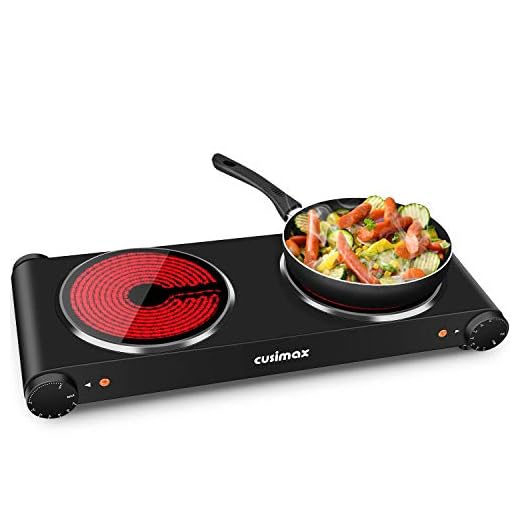

Understanding Ceramic Cookers
Ceramic cookers have gained popularity among home chefs and professionals alike for their unique construction and cooking capabilities. This section dives into what ceramic cookers are, how they operate, their typical uses, and the pros and cons of incorporating them into your culinary toolkit.


What Are Ceramic Cookers?
Ceramic cookers, commonly known as kamado grills, are versatile cooking devices made from ceramic materials. They are designed to retain heat and moisture while providing excellent temperature control. The construction typically features a thick ceramic shell that acts as an insulator, helping to maintain consistent cooking temperatures whether you’re grilling, smoking, or baking.
How They Work
The operation of ceramic cookers is based on the principle of convection cooking. Here’s how they function:
- Fuel Source: Most ceramic cookers use charcoal as their primary fuel, which provides a high heat output and rich smoky flavor.
- Airflow Control: They feature adjustable vents that control airflow, which in turn regulates the temperature inside the cooker.
- Thermal Mass: The thick ceramic walls absorb and radiate heat evenly, ensuring that food cooks evenly from all sides.
- Versatile Cooking Methods: Ceramic cookers can be used for various cooking techniques, including grilling, smoking, baking, and roasting.
Typical Uses
Ceramic cookers are incredibly versatile and can be used in both home and professional kitchens for the following:
- Grilling: Perfect for searing meats and vegetables.
- Smoking: Ideal for low and slow cooking, infusing food with rich flavors.
- Baking: Great for pizzas and bread, thanks to even heat distribution.
- Roasting: Excellent for whole chickens or large cuts of meat.
Advantages of Using Ceramic Cookers
Ceramic cookers bring a multitude of benefits to the table, making them a favorite among cooking enthusiasts.
Heat Retention
- Efficient Heat Management: The ceramic material holds heat exceptionally well, allowing for steady cooking temperatures and reducing the need for constant refueling.
- Fuel Savings: Users often find they use less charcoal compared to traditional grills.
Even Cooking
- Consistent Temperature: The thermal mass ensures that food cooks evenly, reducing the risk of hot spots.
- Moisture Retention: The design traps moisture, which helps keep meats juicy and flavorful.
Versatility in Cooking Methods
- Multi-Functional: As noted, they can grill, smoke, bake, and roast, making them an excellent investment for any kitchen.
- Temperature Range: Capable of reaching high temperatures for searing as well as low temperatures for slow cooking.
Practical Example: Popular Models
Several brands have established themselves in the ceramic cooker market, providing options for every type of cook. Here are a few notable models:
| Brand | Model | Features | Price Range |
|---|---|---|---|
| Big Green Egg | Large Egg | Excellent heat retention, versatile | $900-$1,200 |
| Kamado Joe | Classic Joe II | Divide & Conquer cooking system, durable | $800-$1,200 |
| Vision Grills | Professional Series | Multi-zone cooking, integrated thermometer | $600-$1,000 |
| Primo Ceramic | Oval JR 200 | Unique oval shape for indirect cooking | $600-$900 |
Potential Disadvantages
While ceramic cookers offer numerous advantages, they also come with some drawbacks that potential buyers should consider.
Weight
- Portability: Ceramic cookers can be quite heavy, making them less portable than traditional grills. Moving them around can be challenging, especially for larger models.
Price
- Initial Investment: Quality ceramic cookers can be expensive, ranging from $600 to over $1,200. This may not fit every budget, especially for casual cooks.
Learning Curve
- Temperature Control: Mastering temperature management can take time, particularly for those new to cooking with charcoal.
Summary of Key Points
To recap, ceramic cookers offer a unique blend of features and benefits that make them a valuable addition to both home and professional kitchens. Here’s a quick summary:
- Construction: Made from thick ceramic material for superior heat retention.
- Functionality: Versatile cooking methods including grilling, smoking, baking, and roasting.
- Advantages:
- Excellent heat retention and fuel efficiency.
- Even cooking with moisture retention.
- Suitable for various cooking techniques.
- Disadvantages:
- Heavy and less portable.
- Higher initial cost.
- Requires practice to master temperature control.
Ceramic cookers can enhance your cooking experience, providing delicious results and endless culinary possibilities.
Exploring Hot Plates
Hot plates are versatile kitchen appliances that provide a convenient way to cook food without the need for a traditional stove. They are widely used in various settings, from home kitchens to laboratories, due to their efficiency and portability. In this section, we will delve into the design, functionality, and applications of hot plates, as well as their benefits and drawbacks.


What Are Hot Plates?
Hot plates are small, portable cooking devices that use electric heat to cook food or warm liquids. They are typically flat, featuring one or more heating elements that can be adjusted to various temperature settings. Hot plates can be made from different materials, including stainless steel, cast iron, or ceramic, and they often come in a compact design that makes them easy to transport and store.
Key Features of Hot Plates
- Heating Elements: Most hot plates feature either coil or smooth-top heating elements, which determine how heat is distributed and retained.
- Temperature Control: Many models come with adjustable temperature settings, allowing users to cook a variety of foods at different heat levels.
- Size and Portability: Hot plates are designed to be lightweight and compact, making them ideal for small kitchens, dorm rooms, or outdoor cooking.
Common Applications of Hot Plates
Hot plates serve a wide range of purposes, including:
- Cooking: Ideal for preparing simple meals, boiling water, or reheating leftovers.
- Laboratory Use: Commonly used in laboratories for heating substances in a controlled environment.
- Buffet Serving: Often used in buffet settings to keep food warm for extended periods.
Practical Examples of Hot Plates
Here are a few popular hot plate models that showcase the versatility and functionality of these appliances:
- Maxi-Matic EHR-2011: This portable hot plate features two burners and six heat settings, making it perfect for cooking multiple dishes simultaneously. Its compact design and lightweight construction make it ideal for small kitchens or camping trips.
- Duxtop 8100MC: A highly-rated induction hot plate that offers precision cooking with a digital control panel. It heats up quickly and is energy-efficient, perfect for those looking to save on electricity costs.
- Cuisinart CB-30P1: This single burner hot plate is well-known for its stainless steel construction and easy-to-clean surface. It is perfect for home cooks who need an extra burner during large meal preparations.
Benefits of Using Hot Plates
Hot plates come with several advantages that make them a popular choice among consumers:
- Portability: Hot plates are lightweight and easy to transport, making them perfect for camping trips or use in small living spaces.
- Ease of Storage: Their compact design allows them to be easily stored in cabinets or drawers when not in use.
- Lower Cost: Compared to traditional stoves, hot plates are generally more affordable, making them accessible for budget-conscious individuals or families.
Comparison: Hot Plates vs. Traditional Stoves
| Feature | Hot Plates | Traditional Stoves |
|---|---|---|
| Portability | Highly portable | Not portable |
| Cooking Surface | Limited space | Larger cooking area |
| Temperature Control | Varies by model | More precise |
| Cost | Generally lower | Higher initial investment |
| Storage | Easy to store | Requires more space |
Drawbacks of Hot Plates
Despite their benefits, hot plates also have some drawbacks that consumers should consider:
- Limited Cooking Surface: Most hot plates come with one or two burners, which can make it challenging to cook multiple dishes at once.
- Temperature Control Issues: Some models may struggle with maintaining consistent temperatures, making it difficult to achieve the desired cooking results.
By understanding the various aspects of hot plates, including their design, functionality, benefits, and drawbacks, consumers can make informed decisions about whether they are the right cooking solution for their needs.
Comparative Analysis
When it comes to cooking appliances, two popular choices are ceramic cookers and hot plates. Each has its unique benefits and limitations, making them suitable for different cooking needs and preferences. In this section, we’ll delve into a detailed comparative analysis, examining cooking performance, energy efficiency, safety features, ease of cleaning, and maintenance.
Cooking Performance
Ceramic Cookers
Ceramic cookers, such as the Big Green Egg or Kamado Joe, excel in heat retention and distribution due to their ceramic materials. They can reach high temperatures for grilling and can also maintain low temperatures for slow cooking or smoking.
- Pros:
- Excellent heat retention allows for longer cooking times without consuming additional fuel.
- Versatile cooking methods including grilling, baking, and smoking.
- Flavors are enhanced due to the moisture retention.
- Cons:
- Takes longer to heat up compared to hot plates.
- Heavier and less portable.
Hot Plates
Hot plates, like the Duxtop 1800-Watt Portable Induction Cooktop, offer quick heating and are generally easier to control. They are ideal for simple cooking tasks, such as boiling or sautéing.
- Pros:
- Rapid heating allows for quick meal preparation.
- Generally more portable and lighter than ceramic cookers.
- Easy to use for everyday cooking tasks.
- Cons:
- Limited cooking methods compared to ceramic cookers.
- Heat retention can be lower, affecting cooking time and efficiency.
Energy Efficiency
Ceramic Cookers
Ceramic cookers are designed to be energy-efficient over long periods. Once heated, they maintain their temperature, requiring minimal fuel for extended cooking sessions.
- Pros:
- Low fuel consumption for long cooking times.
- Efficient thermal mass retains heat, reducing energy loss.
- Cons:
- Initial heating can consume more energy compared to hot plates.
Hot Plates
Hot plates are generally more energy-efficient during short cooking sessions, especially induction models like the NuWave Precision Induction Cooktop.
- Pros:
- Quick and efficient heating, reducing overall cooking time.
- Induction models heat only the cookware, minimizing energy waste.
- Cons:
- Less efficient for slow cooking or extended use.
Safety Features
Ceramic Cookers
Ceramic cookers come with various safety features, but they do require some caution due to high temperatures and heavy materials.
- Pros:
- Stable design minimizes tipping hazards.
- Some models include built-in thermometers to monitor internal temperatures.
- Cons:
- Requires careful handling due to weight and temperature.
- Risk of burns if not used with proper protection.
Hot Plates
Hot plates, especially induction models, often have advanced safety features that make them user-friendly.
- Pros:
- Induction cooktops cool down quickly after the cookware is removed, reducing burn risks.
- Many models come with safety shut-off features.
- Cons:
- Traditional electric hot plates can remain hot for some time after use.
Ease of Cleaning
Ceramic Cookers
Cleaning ceramic cookers can be a bit labor-intensive, especially after grilling or smoking.
- Pros:
- The ceramic surface is generally non-stick, making it easier to clean with the right methods.
- Many parts are designed to be removable for easier cleaning.
- Cons:
- Requires special cleaning methods and products to maintain the ceramic finish.
- Accumulated grease and food residue can require deep cleaning.
Hot Plates
Hot plates are typically easier to clean, especially models with smooth, flat surfaces.
- Pros:
- Easy-to-wipe surfaces, especially with induction cooktops.
- Many units have removable drip trays or surfaces that can be washed in the dishwasher.
- Cons:
- Spills can be more difficult to clean if allowed to cool and harden.
Maintenance
Ceramic Cookers
Maintaining ceramic cookers requires regular inspections and occasional repairs to ensure longevity.
- Pros:
- With proper care, they can last for many years.
- Generally low maintenance once established.
- Cons:
- May require replacement of seals or gaskets over time.
- Susceptible to cracking if not handled carefully.
Hot Plates
Hot plates require minimal maintenance but should be checked for electrical safety periodically.
- Pros:
- Simple functionality leads to straightforward upkeep.
- Limited parts to maintain or replace.
- Cons:
- Electrical components can wear out and require eventual replacement.
Summary of Key Points
| Factor | Ceramic Cookers (e.g., Big Green Egg) | Hot Plates (e.g., NuWave Induction Cooktop) |
|---|---|---|
| Cooking Performance | Versatile, excellent heat retention | Quick heating, limited methods |
| Energy Efficiency | Efficient for long cooking | Quick and efficient for short sessions |
| Safety Features | Stable but requires caution | Advanced safety features, cool quickly |
| Ease of Cleaning | Labor-intensive, requires special care | Easy-to-clean surfaces, removable trays |
| Maintenance | Low maintenance but careful handling | Minimal upkeep, check electrical safety |
This comparative analysis aims to equip you with the knowledge to make an informed decision between ceramic cookers and hot plates, based on your cooking needs and lifestyle.
Key Takeaways and Final Thoughts
In conclusion, both ceramic cookers and hot plates offer unique advantages that cater to different cooking styles and needs. Ceramic cookers excel in heat retention and even cooking, making them ideal for slow-cooked meals and versatility. On the other hand, hot plates provide portability and quick heating, making them suitable for small spaces and quick meals. Ultimately, the best choice depends on your specific requirements—whether you prioritize even cooking and flavor infusion or convenience and speed. By weighing these factors, you can make an informed decision that aligns with your culinary preferences.


I get that ceramic cookers are great for slow cooking, but I find hot plates like the Cuisinart Double Burner much more versatile. Can we really compare them fairly? What’s the real difference in terms of energy efficiency?
Great point! While ceramic cookers excel at slow cooking and retaining heat, hot plates like the Cuisinart Double Burner provide quick heating for various cooking styles. It really depends on what you’re looking for in your kitchen!
Could you go into more detail about the cooking times for both options? I’m curious how they stack up against each other in that regard.
Absolutely! Ceramic cookers tend to take longer for dishes that require slow simmering, while hot plates can get food ready in a shorter time frame. I’ll add more specifics on cooking times in the next update!
I’ve been using a Breville Smart Oven Air for a while now, and it has totally changed my cooking game! The ceramic cooker option sounds interesting, though. Anyone else had success with them?