
In the realm of kitchen appliances, the choice between a pressure cooker and a slow cooker can significantly influence culinary outcomes and overall cooking experience. This comparison focuses on two popular options: the Amazon Basics Pressure Cooker, known for its quick cooking capabilities, and the Tower T16039 Slow Cooker, celebrated for its ability to tenderize ingredients slowly over time. By examining their features, versatility, and usability, we aim to illuminate the distinct advantages and potential drawbacks of each appliance, helping home cooks make informed decisions tailored to their culinary preferences.
Quick Meals
The Amazon Basics Stainless Steel Pressure Cooker (4 Litre) enables quick and nutritious meal preparation with two pressure levels for versatile cooking. Its user-friendly design features a water-level indicator and secure Bakelite handles for safe handling.
Easy Meals
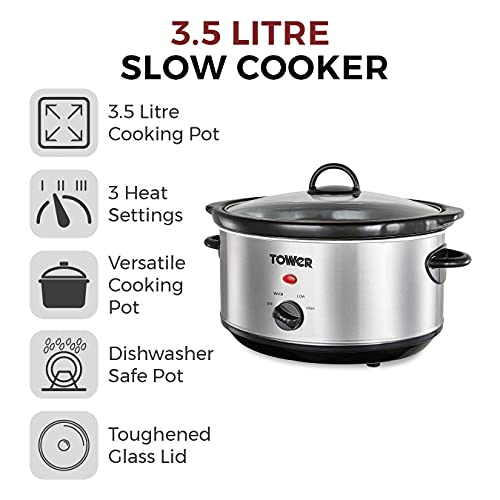
The Tower T16039 Slow Cooker features a 3.5-litre capacity, ideal for serving meals for up to four people, and is perfect for dishes like curry, casserole, or soup. With three adjustable heat settings and a removable dishwasher-safe pot, it offers both convenience and versatility in cooking.
Amazon Basics Pressure Cooker
Capacity
4 litres
Cooking Method
Pressure cooking
Heat Settings
Two pressure levels (50 kpa and 90 kpa)
Auto Shutoff Feature
No
Weight
2.61 kg
Tower T16039 Slow Cooker
Capacity
3.5 litres
Cooking Method
Slow cooking
Heat Settings
Three heat settings (warm, low, high)
Auto Shutoff Feature
Not specified, but typically includes safety features
Weight
3.5 kg
Amazon Basics Pressure Cooker
Tower T16039 Slow Cooker
Amazon Basics Pressure Cooker
Tower T16039 Slow Cooker
Feature comparison chart


Amazon Basics Stainless Steel Pressure Cooker


Unique Selling Points (USPs)
- Quick Cooking: Ideal for fast-paced lifestyles, significantly reduces cooking times.
- Versatility: Can be used for a variety of dishes, including stews, soups, and even desserts.
- Durable Design: Crafted from high-quality stainless steel for long-lasting use.
Pros
- Time-efficient for busy individuals.
- Ideal for cooking grains and beans quickly.
- Compact size fits well in smaller kitchens.
Cons
- Requires a learning curve for beginners.
- Not suitable for slow-cooked meals.
Use-Cases
- Perfect for quick dinners after a long day.
- Great for meal prepping in advance.
Tower T16039 Slow Cooker
Unique Selling Points (USPs)
- Three Heat Settings: Offers flexibility with Low, Medium, and High settings for meal customization.
- Removable Pot: Easy to clean and store, compatible with dishwashers.
- Ideal for Simmering: Great for creating tender and flavorful meals over time.
Pros
- Convenient for preparing meals while at work or during busy days.
- Perfect for making larger batches of food.
- Low-maintenance and simple to use.
Cons
- Longer cooking times may not suit everyone.
- Smaller capacity compared to the pressure cooker.
Use-Cases
- Excellent for slow-cooked stews, soups, and casseroles.
- Great for families or meal preppers who like to cook in bulk.
Conclusive Assessment
While both products serve distinct culinary needs, there isn’t a definitive winner. Each excels in different areas:
- Amazon Basics Stainless Steel Pressure Cooker is perfect for those who prioritize speed and versatility in cooking. It suits individuals who need quick meal preparation without compromising on taste.
- Tower T16039 Slow Cooker, on the other hand, is ideal for those who enjoy the process of cooking and want to create hearty, flavorful meals with minimal effort. It’s particularly beneficial for families or anyone who enjoys meal prepping.
Final Summary
In summary, your choice between the Amazon Basics Pressure Cooker and the Tower T16039 Slow Cooker should be informed by your cooking style and needs. If you need quick, versatile cooking solutions, the pressure cooker is your best bet. Conversely, if you’re looking for a set-it-and-forget-it option for hearty meals, the slow cooker will serve you well. Ultimately, both are high-quality kitchen appliances that can enhance your cooking experience depending on your personal preferences.
Comparing Cooking Styles: Pressure Cookers vs. Slow Cookers


Comparing Pressure Cookers and Slow Cookers
When it comes to kitchen appliances, pressure cookers and slow cookers serve unique purposes and can greatly enhance your cooking experience. Below, we outline general guidelines and key factors to consider when comparing products in these two categories, using examples like the ‘Amazon Basics Pressure Cooker’ and the ‘Tower T16039 Slow Cooker’.
Purpose and Cooking Method
Pressure Cookers
- Functionality: Pressure cookers use steam and high pressure to cook food quickly.
- Cooking Time: Meals can be prepared in a fraction of the time compared to traditional methods.
- Ideal for: Stews, soups, grains, and tough cuts of meat that benefit from fast cooking.
Slow Cookers
- Functionality: Slow cookers use low heat over extended periods to simmer ingredients.
- Cooking Time: Meals can take anywhere from 4 to 10 hours, allowing for unattended cooking.
- Ideal for: Dishes that require gentle cooking, such as casseroles, roasts, and certain desserts.
Key Factors to Consider
Cooking Capacity
- Pressure Cookers: Available in various sizes (ranging from 3-10 quarts).
- Slow Cookers: Typically range from 1.5 quarts to 8 quarts or larger.
Versatility
- Pressure Cookers: Often include a variety of functions such as sautéing, steaming, and even yogurt-making.
- Slow Cookers: Mainly focus on slow cooking, although some models may include features for browning meats or steaming.
Cooking Speed
- Pressure Cookers: Much faster, ideal for quick weeknight meals or when time is limited.
- Slow Cookers: Better for meal prep, allowing ingredients to meld over time, ideal for busy schedules or when you want to set it and forget it.
Energy Efficiency
- Pressure Cookers: Generally use less energy due to shorter cooking times.
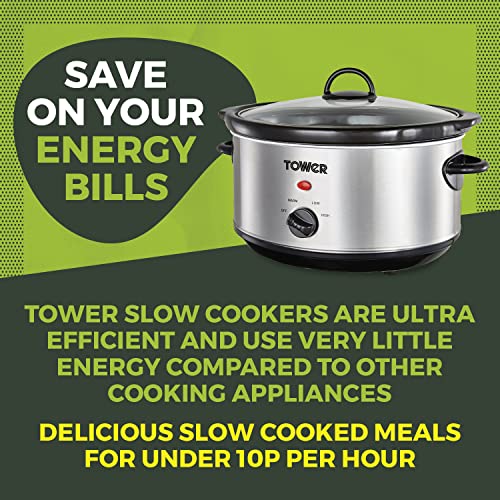
- Slow Cookers: Consume low energy over extended cooking periods, making them economical for long recipes.
Ease of Use and Cleanup
- Pressure Cookers: Can be more complex to operate, especially for beginners. Some models have removable parts for easier cleaning.
- Slow Cookers: Typically straightforward with fewer settings. The removable pot can often be washed in a dishwasher.
Safety Features
- Pressure Cookers: Look for models with safety locks, pressure indicators, and automatic pressure release.
- Slow Cookers: Generally safe to leave unattended but ensure it has a sturdy design to avoid tipping or overheating.
Cost Considerations
- Pressure Cookers: Prices range based on features and brand, from budget-friendly options to high-end electric models.
- Slow Cookers: Often more affordable, especially basic models; can also vary greatly in price based on size and features.




I’d love to know more about how the cooking times compare between the Amazon Basics Pressure Cooker and the Tower T16039 Slow Cooker. Like, does the pressure cooker really save that much time?
Great question! The Amazon Basics Pressure Cooker can significantly cut down on cooking times, often cooking meals in a fraction of the time compared to the slow cooker. For example, things like stews or beans can cook in about 30 minutes instead of several hours. Hope that helps!
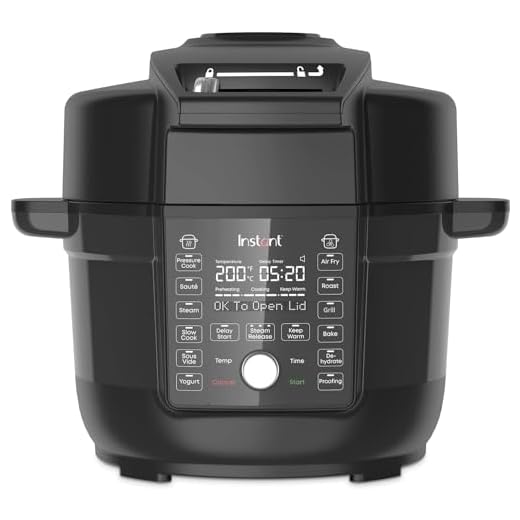
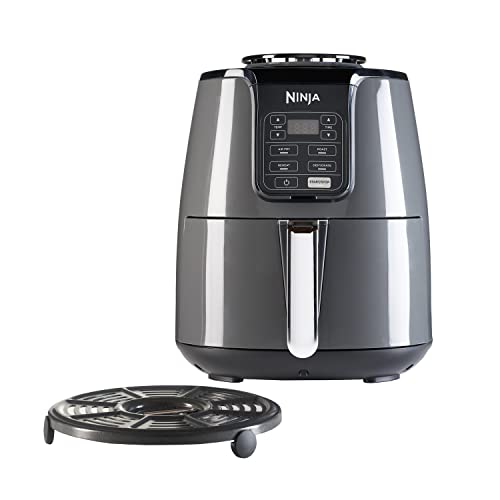
What about comparing these to a Ninja Foodi or an Instant Pot? I feel like those are pretty popular too!
That’s a fantastic idea! The Ninja Foodi and Instant Pot definitely have their own unique features that could be interesting to compare with the ones mentioned. I’ll look into adding those for a more comprehensive comparison!
Hey, can anyone recommend which one is better for meal prepping? I’m looking for something that can handle big batches!