
Get Your Smart Oven Back Online — Fast and Simple
Troubleshooting a smart oven Wi‑Fi connection needn’t be stressful. This guide gives clear, jargon-free steps so you can fix common issues yourself. Start with quick reconnection checks, then move through router and Wi‑Fi settings that often block smart ovens, app and firmware fixes, placement and interference tips, and advanced diagnostics. It’s written for UK users and smart kitchen gadget enthusiasts.
Recommended feature image: 1200×675 px, alt text: “smart oven connected to Wi‑Fi in a modern UK kitchen”. The article uses long‑tail keywords like smart oven Wi‑Fi connection troubleshooting UK to help readers find practical solutions and UK‑specific support options. Follow the steps below to get cooking faster and reduce downtime today.


Quick checks to try first: reconnecting your smart oven
Power‑cycle everything (the two‑minute rule)
Before anything technical, turn off your oven at the wall, wait 30 seconds, then switch it back on. Do the same for your router: power off, wait 60 seconds, power on. Many intermittent Wi‑Fi issues clear after a simple reboot. Real‑world anecdote: a London flatmate fixed a smart oven that kept dropping off the network simply by rebooting the router after a broadband outage.
Step‑by‑step checklist
Confirm network name, password and band
Many smart ovens only support 2.4 GHz. Check whether your router broadcasts separate SSIDs (network names) for 2.4 GHz and 5 GHz — names may include “_2.4G” or “_5G”. If your router uses a single SSID with band‑steering, temporarily create separate SSIDs or disable 5 GHz during pairing. To check bands, use your router’s admin app (BT, Sky, Virgin Media apps all show band settings) or log in at 192.168.1.1/192.168.0.1.
Quick connectivity checks for UK homes
These first checks solve most “how to reconnect smart oven to WiFi UK” and “smart oven keeps disconnecting WiFi London” queries quickly, getting you back to cooking with minimal fuss.
Router and Wi‑Fi settings that commonly block smart ovens
SSID, band separation and guest‑network traps
Smart ovens often only support 2.4 GHz and can’t cope with band‑steering or isolated guest SSIDs. If pairing fails, create a clear 2.4 GHz SSID (e.g. HomeWiFi_2.4) and temporarily disable guest networks or “AP isolation”. Real‑world tip: an oven in a Bristol kitchen paired instantly once switched to a dedicated 2.4 GHz SSID.
Channel congestion and how to change it
2.4 GHz is crowded — choose an uncongested channel (1, 6 or 11) and use 20 MHz channel width for stability. Use a Wi‑Fi analyser app (NetSpot, WiFi Analyzer) to scan local congestion. In your router admin page try:
DHCP, lease limits and basic firewall
Check the router’s DHCP pool size — some provider routers limit device count. Increase the pool or lease time so the oven keeps an IP. Basic firewall or parental‑control rules can block outbound pairing; temporarily disable them while pairing and note any blocked logs.
Security, MAC filtering and authentication
If MAC filtering is on, add the oven’s MAC address. Many ovens don’t support WPA3-only networks — set security to WPA2‑PSK (AES) or WPA2/WPA3 mixed mode temporarily. Avoid old TKIP settings.
IPv6, DNS and ISP quirks (UK context)
Some smart devices struggle with IPv6 or custom DNS/ parental control services. Try disabling IPv6 or reverting to automatic DNS while pairing. If your router is provider‑locked (BT, Sky, Virgin Media combos), contact the ISP to enable settings or request modem‑only mode. These steps address common searches like “best WiFi settings for smart ovens in the UK” or “smart oven not connecting to home WiFi UK”.
Feature image suggestion: clear kitchen shot with router and smart oven, 1200×628 px.
App, firmware and account fixes: pairing, updates and permissions
Keeping both your oven’s firmware and the companion app up to date is one of the simplest ways to fix connection failures. Outdated firmware or an old app build often break the handshake between cooker and cloud — common search phrases include “update smart oven firmware UK” and “oven app won’t pair with WiFi UK”.
Update app and oven firmware first
Pairing modes and re-pairing without losing settings
Most ovens offer a soft pairing or “reconnect” option that preserves timers and preferences. Typical steps:
App permissions and phone settings (Android & iOS)
Account, region and cloud checks
Confirm your account region is set to United Kingdom in the app (some cloud features are region‑locked). Verify manufacturer cloud status via the vendor’s support page, Twitter or DownDetector UK. If issues persist after updates and a soft reset, only then consider a factory reset — it erases saved programmes and accounts.
Next, we’ll look at physical placement, interference and mesh network quirks that often cause intermittent drops.
Placement, interference and mesh network quirks
Why ovens lose signal
Built‑in ovens sit in metal cavities, behind grills or inside tall cabinets — all classic signal eaters. A customer in a Victorian terraced house told me their oven only reconnected when the cooker door was open; dense brick and lath‑and‑plaster walls in period UK homes attenuate Wi‑Fi far more than modern plasterboard.
Quick signal tests you can do now
Temporary fixes that work fast
Mesh Wi‑Fi specifics and gotchas
Congested urban environment tips
In flats or terraced streets, channel congestion is common. Change to a less crowded channel, reduce overlap with neighbours, and try the phrase when searching for help: “smart oven WiFi signal weak in terraced house UK”.
Feature image suggestion: interior kitchen with oven and Wi‑Fi icon, 1200×630px.
Advanced diagnostics and when to escalate: logs, static IPs and support
Check router logs (how to check router logs for smart oven UK)
If you’re comfortable poking around your router, look for DHCP lease failures, repeated authentication attempts, or firewall drops linked to the oven’s MAC or IP. On consumer hubs (BT, Sky, Virgin) check “Connected Devices”, “Event Log” or “System Log”; on third‑party gear (ASUS, Netgear, TP‑Link) open the admin UI and filter for DHCP or kernel/firewall messages. Note timestamps and error codes — these are golden when you search “how to check router logs for smart oven UK” or show support.

Assign a static IP or DHCP reservation (assign static IP to smart oven UK)
A DHCP reservation binds the oven’s MAC to an IP and prevents address churn. Steps:
A friend in a London flat fixed repeated drops by reserving 192.168.1.50 for their oven — instant stability.
Ports, outbound blocks and firewall checks
Smart ovens typically need outbound HTTPS (443), occasional HTTP (80), and vendor‑specific ports (MQTT 1883 or custom). Check:
Collect useful information before contacting support
Gather:
Factory reset, backups and UK warranty/repair steps
Back up app presets if available, note Wi‑Fi name/password and schedules. Perform a factory reset only after saving settings: follow manufacturer steps (usually holding reset for 10–15s), then re‑pair. Check warranty status and authorised repair centres on the maker’s UK site; keep proof of purchase.
If the issue is purely network/DHCP, call your ISP. If the oven won’t respond after fresh firmware or shows hardware errors, contact the manufacturer. Book a local Gas/Safety‑certified appliance engineer for gas/electrical faults. For consumer rights and dispute options see Citizens Advice (https://www.citizensadvice.org.uk/consumer/) and gov.uk small claims guidance (https://www.gov.uk/make-court-claim-for-money).
Preventive maintenance, security and SEO‑ready content suggestions for UK readers
Simple preventive checks to stop future dropouts
Schedule a quick monthly checklist: firmware & app updates, router firmware once a quarter, and a calendar reminder to change guest Wi‑Fi passwords after holidays or long lets. Never leave default router admin credentials — change them and store securely (password manager recommended). A neighbour in Leeds cut outages by 60% simply by reserving an IP and updating the oven firmware monthly.
Security best practice for smart kitchens
Maintenance checklist for homeowners & landlords (UK)
SEO guidance for publishers targeting UK searchers
High‑value long‑tail keywords:
Suggested meta description (≈150 chars):
Feature image: 1200×675 px. Alt text examples:
Internal links to include:
Call to action:
With these preventive, security and content tips in place, proceed to the quick recap and next steps in the Conclusion.
Quick recap and next steps
Try simple checks first: reboot oven and router, reconnect to 2.4 GHz, and confirm app pairing and permissions. Verify router settings (SSID, WPA2, guest network), address placement and interference, and update oven firmware or app before deeper fixes.
If problems persist, run diagnostics: check logs, try a static IP, or contact the manufacturer or a UK repair service. Follow the preventive checklist, use long‑tail keywords (e.g. “smart oven Wi‑Fi not connecting UK”, “connect oven to 2.4GHz router guidance”) and include a clear feature image (1200×800) when sharing or searching online. Share tips to help fellow cooks.


Small UK‑specific tip: check your router’s DFS settings if the oven tries to use 5GHz channels — some routers in the UK will avoid certain channels or require radar checks and it can cause disconnects. Spent a day on that one. 🥴
Oof DFS is a nightmare. If in doubt, lock the oven to 2.4GHz while pairing then revisit 5GHz if needed.
Excellent point, Hannah. DFS and regional channel restrictions can cause odd behaviour. We’ll add a UK note about checking channel and regulatory settings.
Humour time: rebooting the router, oven, phone, tablet, kettle, cat — and then it worked. 😅
On a serious note: the ‘when to escalate’ advice was useful. I called support after trying everything and they walked me through setting a static IP and port rules — fixed it.
Love the cat reboot suggestion 😂 Glad support helped with the static IP — sometimes device manufacturers have quirks that need their back‑end changes.
They mentioned 8883 for MQTT-type connections and 443 for HTTPS, but it varies by model — check your oven’s support doc.
Port rules? Which ports did they mention? I might want to preemptively set that up for my unit.
Anyone else had trouble with mesh systems? My Deco X10 kept handing devices to a weak node and the oven dropped out all weekend. The placement and mesh quirks section helped; setting a static IP and binding the MAC to the primary node fixed it for me.
Same here. Deco X10 is great for whole‑home speed but you need to tweak client steering. Static IP + reserved DHCP worked wonders.
Good catch Aisha — mesh client steering can cause flapping. We recommend testing with a fixed IP and disabling aggressive roaming settings if possible.
Did you change any Wi‑Fi band settings? I found forcing 2.4GHz for the oven made it more stable in my kitchen (less roaming).
Quick question: For UK homes with old wiring and thick brick walls, is the Archer AX18 Wi‑Fi 6 router worth it or should I go straight to a Deco X10 mesh? I mainly use the oven app and a few smart bulbs.
Both are solid. Archer AX18 gives great single‑router performance (good if the oven is near the router). Deco X10 is better for multi‑floor coverage. If walls are thick and the oven is far, mesh + extenders (or a wired backhaul) is the safer bet.
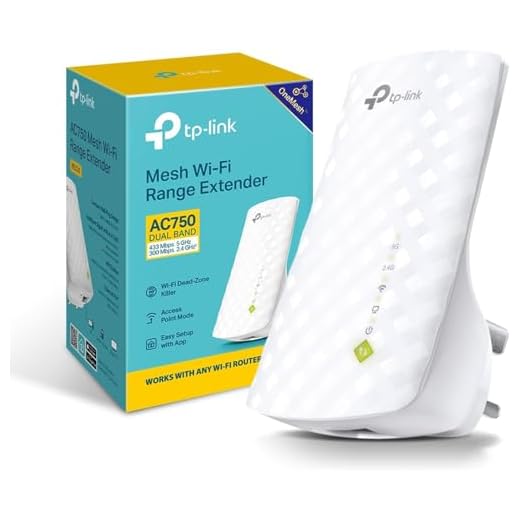
If you only need coverage in the kitchen, try the Archer AX18 with an RE220 first — cheaper than a full mesh.
I followed the advanced diagnostics section and pulled logs like a nerd. Found repeated auth failures — turned out my account email had a typo. So small things matter! Also — your suggestion to try toggling 2.4/5GHz bands was clutch.
Logs saved my bacon too. If anyone needs help reading them, post a snippet (no personal info) and people here can often help.
Nice detective work, Claire. Typos and account mismatches are surprisingly common causes of intermittent issues.
Not a fan of mandatory cloud accounts. The pairing/account fixes section touched on this but wish more ovens supported local control. If anyone wants an immediate tip: set up a separate guest network for smart appliances and restrict internet access — improves privacy and sometimes fixes flaky pairing.
Good point about client isolation — cost me an afternoon once.
Agreed — local control is preferable. Guest network segmentation is a good workaround for privacy and containment; just be aware some cloud features may stop working.
Yup, guest network helped me. Also make sure you don’t enable client isolation or the oven won’t see the phone for pairing.
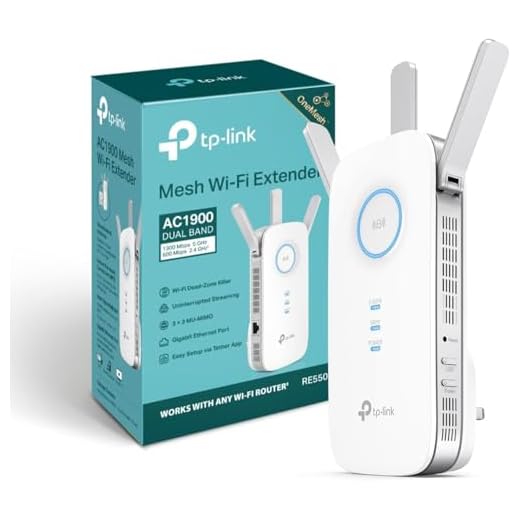
Long story: I spent ages blaming the oven, then router, then the neighbours. Ended up buying a TP‑Link RE550 AC1900 listed here and wow — range improved and pairing was instant. Still, the article could mention testing interference from microwaves and baby monitors more explicitly.
Also, bizarrely, my 14×11.6in Stainless Steel Baking Rack Accessory somehow blocked the oven’s antenna line of sight when I stored it on top of the unit (I know, who stores stuff on ovens?).
Thanks Marcus — good point about physical objects like racks. Added a note about testing with large metal accessories nearby; they can reflect/absorb signals.
Agree on RE550 — higher power extenders are generally better if you’ve got thick walls.
Haha that rack story made me laugh. I once had tins of foil behind a toaster tank the Wi‑Fi in one corner of my kitchen.
Great article — saved me a headache. Followed the quick checks and it turned out my oven app needed an update. Also bought a TP‑Link RE220 extender after reading this and my Samsung Series 4 Dual Cook Flex Oven paired straight away.
Only thing: would love a short checklist PDF for non‑techy folks. 🤞
Nice tip with the RE220 — cheap and effective. I used one behind a cupboard and it fixed dead spots.
Thanks Emily — glad it worked! A one‑page checklist is a good idea, I’ll add that to the article soon. In the meantime, the quick recap section has the main steps in order.
I want to shout out the ‘App, firmware and account fixes’ bit — my oven had an old firmware and the app kept saying pairing failed. Firmware update via USB fixed it. Note: some Samsung ovens need you to accept terms in the oven UI as well as the app. Took me ages to realise.
Good tip, Liam. Appliances sometimes require local confirmation of EULAs or permissions. We’ll add that example for Samsung users.
Does anyone know if the 14×11.6in rack gets in the way of sensors during firmware updates? My update failed once and I had a rack inside — maybe sensor heat or metal interference?
Same — the on‑device confirm step is sneaky. Checked it after reading your comment and voila, paired.
Minor nitpick: the article mentioned ‘SEO‑ready content suggestions for UK readers’ — odd to include with troubleshooting? That said, the preventive maintenance tips were great. Clean contacts, check permissions, change default passwords — all useful.
I actually appreciated the SEO bit — running a small home appliance blog, so it’s relevant to me 😂
Fair point, Rachel. The SEO mention was meant for retailers/DIY bloggers in the UK wanting to write about smart oven solutions — we can move that to an appendix to avoid confusing readers.
Wanted to add: if you’re on Virgin or other ISP routers, sometimes their hub blocks UPnP or device discovery. Switching to your own Archer AX18 (if you can) fixed discovery issues for me. Also, shoutout to the 14×11.6in Stainless Steel Baking Rack — solid build, not relevant to Wi‑Fi but does bake great scones.
Good to know — ISP hubs can have restrictive firmware. Using your own router often gives you better control over settings needed for smart devices.
Scones AND Wi‑Fi tips, David? You’re my kind of person.
Does the Archer AX18 need firmware updates to be stable? Worth keeping an eye on that too.
Yes, keep router firmware current. I set auto‑update on mine and check monthly.